Having a cover for your pool not only makes cleaning and upkeep easier, but it can also maintain the water levels, saving you money in the long run. That job matters even more once winter hits in Canada. A good cover is really one of the only things standing between your pool and a rough spring—storm debris, ice damage, or just the safety risk of a pool sitting unsupervised for months on end. With all these benefits, it’s not hard to see why so many pool owners opt for some type of cover. If you’re looking into purchasing one for your pool, you might be overwhelmed by the options available. Not to worry, as in this post, we’ll review some of the most popular types of pool covers available, their pros and cons, and what you need to know about safety, cost, and Ottawa’s pool fencing rules before you buy.
The Importance of Pool Covers
There are several reasons why it’s recommended to have a cover for your pool. Different types of covers may serve unique purposes, but in general, the goal of a pool cover is to help you conserve water, keep debris out of your pool and limit the risk of accidents when your pool is unsupervised.
Types of Pool Covers
Leaf Net Covers
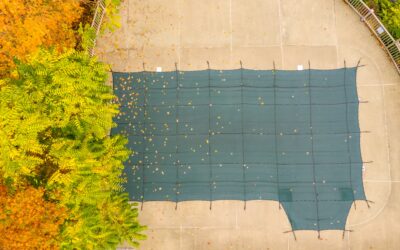
Leaf net pool covers are designed to keep leaves and larger debris out of your pool. They are typically placed over another type of pool cover, such as a tarp cover, to provide an added layer of protection against debris.
Pros
- Leaf net covers are lightweight and easy to handle.
- They are effective at keeping leaves and other large debris out of your pool, reducing maintenance time.
Cons
- Leaf net covers are not strong enough to prevent accidents and should not be used as a safety measure.
- They allow rainwater to pass through, which can dilute pool chemicals and lower water levels.
Tarp Covers
Tarp covers are held in place by water bags and provide a simple and cost-effective way to cover your pool. They are usually made of a heavy-duty plastic material that helps keep debris out.
Pros
- Tarp covers are easy to install and remove.
- They effectively keep out debris and help maintain water levels.
Cons
- Tarp covers can be less durable than other types and may need to be replaced more frequently.
- Water can accumulate on top of the cover, requiring a pump to remove it.
Safety Covers
Safety covers are anchored to the deck and designed to prevent accidents by supporting the weight of a person or pet. They provide complete coverage, keeping out debris, animals, and sunlight.
Pros
- Safety covers offer the highest level of protection, preventing accidents and keeping everything out of your pool.
- They help extend the life of your pool liner by protecting it from UV rays.
Cons
- Safety pool covers have a shorter lifespan compared to other options due to various weather conditions.
- They may require investing in a pump to clear water that collects on or around the surface of the cover.
Automatic Pool Covers
Automatic pool covers are available in various materials and, as the name suggests, allow you to cover and uncover your pool automatically with the push of a button.
Pros
- Automatic covers are the easiest type of pool cover to use, with minimal effort required.
- They reduce clutter and the physical labour involved in using a manual cover.
Cons
- Automatic covers require regular upkeep for the mechanical and electrical parts.
- They are susceptible to power loss, which can prevent the cover from opening or closing.
Solar Pool Covers
Solar pool covers combine the benefits of a solid pool cover and a mesh cover by allowing in just enough light to keep your pool warm while acting as a filter against dirt and debris.
Pros
- Solar pool covers are easy to install by yourself.
- They save money on water and chemical usage and can warm your pool significantly, extending your swimming season.
Cons
- Solar pool covers are constructed with lightweight materials and can’t support significant weight.
- They may tear or break if an animal or person falls on the cover, potentially leading to injuries.
Mesh (Shade) Covers
Mesh safety covers are a variation on the standard safety cover, using a tightly woven fabric instead of a solid vinyl surface. They anchor to the deck the same way a standard safety cover does, but the material lets rain and melting snow filter through instead of pooling on top.
Pros
- Mesh covers block out roughly 95% of sunlight, which significantly reduces algae growth over colder months. This means that spring opening can be faster, with fewer chemicals needed.
- Water drains through rather than collecting on top, so there’s less need for a cover pump, and no extended strain from pooling water on the cover.
Cons
- Some fine debris and pollen can pass through with the water, so the pool may need a light cleaning even with the cover on.
- Because mesh covers let in a little more light than solid safety covers, water can stay slightly warmer over winter, which could promote algae growth.
Solid vs. Mesh Safety Covers: What’s the Difference?
Both solid and mesh pool covers are rated for weight-bearing safety and anchor to the deck the same way, but they handle water differently. A solid cover blocks all light and debris but requires a pump to remove standing water and snowmelt. A mesh cover allows water to pass through, reducing the frequency of pump maintenance. The tradeoff is a bit more light reaching the pool. Many Ottawa pool owners choose mesh for the easier winter and simpler spring opening, while solid covers still make sense for anyone dealing with heavy tree cover or algae problems.
Safety Considerations by Pool Cover Type
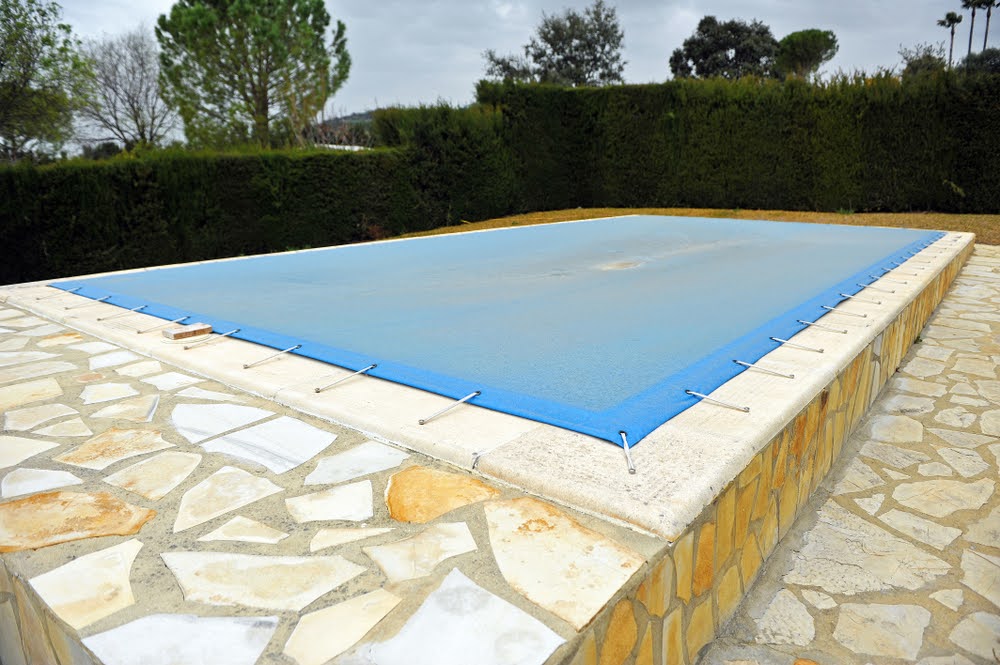
Not all pool cover types are created equal when it comes to safety, and it’s worth knowing the difference before you buy.
- Weight-bearing capacity: Only true safety covers (solid or mesh) are rated to support the weight of a person or pet. Leaf nets, tarps, and solar covers aren’t safety-rated, and stepping onto one by accident can be dangerous.
- Pets and kids: If children or pets have access to your backyard, a rated safety cover is the safest option by a wide margin. It’s the only cover type designed specifically to prevent falls into the water.
- Ice risk on uncovered pools: Leave a pool uncovered over an Ottawa winter, and it becomes a serious ice hazard. A skim of snow can disguise open or partially frozen water, which is dangerous for people, pets, and local wildlife alike.
Ottawa-Specific Pool Cover & Fencing Rules
Beyond the cover itself, Ottawa homeowners need to keep the city’s Pool Enclosure By-law No. 2013-39 in mind. The by-law requires any privately owned outdoor pool capable of holding 24 inches (600 mm) of water or more to be enclosed by a fence at least 5 feet (1.5 metres) tall, with self-closing, self-latching gates. A pool cover is a great safety layer, but it doesn’t replace a compliant fence—the two work together, but are not substitutes for one another. For more on keeping your pool secure through the off-season, see our winter pool safety guide.
Cost and Lifespan
The cost of a pool cover can vary significantly depending on the pool size and the type of pool cover. As a rule of thumb, homeowners pay from $2,500 to $7,000 for a safety cover in Canada.
With proper care, mesh and solid safety covers tend to last 10 to 20 years. Simpler options like tarp or leaf net covers cost less upfront, but they would need replacement sooner.
What Happens If You Don’t Cover Your Pool?
Skip the cover, particularly over an Ottawa winter, and it tends to cost more in the long run than the cover itself would have. Without a proper cover, algae will grow, leaves, dirt, and organic debris will accumulate, requiring a full deep clean and significant chemistry adjustment.
Uncovered water is also more exposed to freeze-thaw cycles, which can stress your pool’s walls, liner, and equipment. And perhaps most importantly, an uncovered pool is a safety hazard for children, pets, and wildlife, particularly when the water’s edge is disguised by snow.
Which Pool Cover is Right for You?
Now that we’ve looked at the most common types of pool covers, you might already know which is best for your backyard oasis. However, if you still aren’t sure, consider other factors like how often you swim in your pool, whether you have children or pets who will be near it, if you have enough storage space for the cover, and your overall aesthetic style, as some covers are nicer to look at than others. For professional advice, don’t hesitate to contact us at Benson Pools. We can help find and install a pool cover that’s perfect for your family’s needs.