Perhaps residents in Ottawa who feel the most attuned to weather throughout the year are pool owners, who spend summers waiting for their pools to warm up and winters closing them down for the year. Rather than chasing this cycle, many pool owners are turning to heated pool solutions to keep their backyard oasis at a comfortable temperature. In this guide, we’ll examine how to heat a swimming pool and provide top tips related to installing a pool heater.
How Do Heated Pools Work?
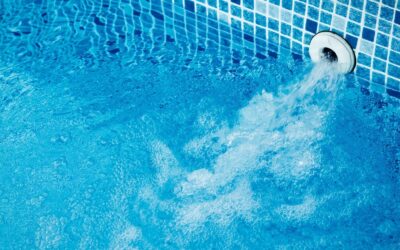
Heated pools have heat pumps that circulate the water, removing cool water and replacing it with warmer water. This allows you to keep the pool at your desired temperature even when the outside temperature drops in the fall or winter. People primarily choose heated pools to enjoy the benefit of having an inground pool for more months of the year.
Heated Pool Benefits
Aside from no more teeth-chattering when you take a dip, homeowners rave about the multiple advantages of having a heated pool.
Ultimate Relaxation
The ability to regulate the temperature of your pool allows you to have a more relaxing experience. Nothing helps you unwind after a tiring day more than stepping into a warm pool and allowing the water to ease your tension.
Extended Swim Seasons
Areas in and around Ottawa experience long and cold winters. It often feels like summer swim season comes and goes in a blip. A heated pool lets you control when swim season starts and ends, making your investment in a backyard oasis even more worthwhile.
Pair your heater with an early pool opening and you could be swimming weeks before the usual start of the season.
Therapeutic Advantages
Some people seek out warm water pools specifically for their therapeutic benefits. Athletes enjoy them for aiding in muscle recovery and allowing them to participate in low-impact workouts. Water adds natural resistance, so you can add a resistance routine to your plan without straining your joints.
Some people use heated pools to help with medical conditions, such as swelling or edema. Warm water promotes more circulation, which helps the cardiovascular and lymphatic systems move fluid away from swollen extremities. Finally, physical therapists often use heated pools to help patients who want to increase their range of motion.
Reduce Heat Loss First: Why Insulation Matters
Before focusing on heaters, it’s worth addressing how much energy is lost from an unprotected pool. Most heat loss happens at the surface, especially overnight and on windy days. Without insulation, a heater ends up working harder just to replace lost heat.
For new builds or renovations, insulating the pool shell helps reduce long-term energy use. For existing pools, covers are the most effective upgrade.
Pool Covers
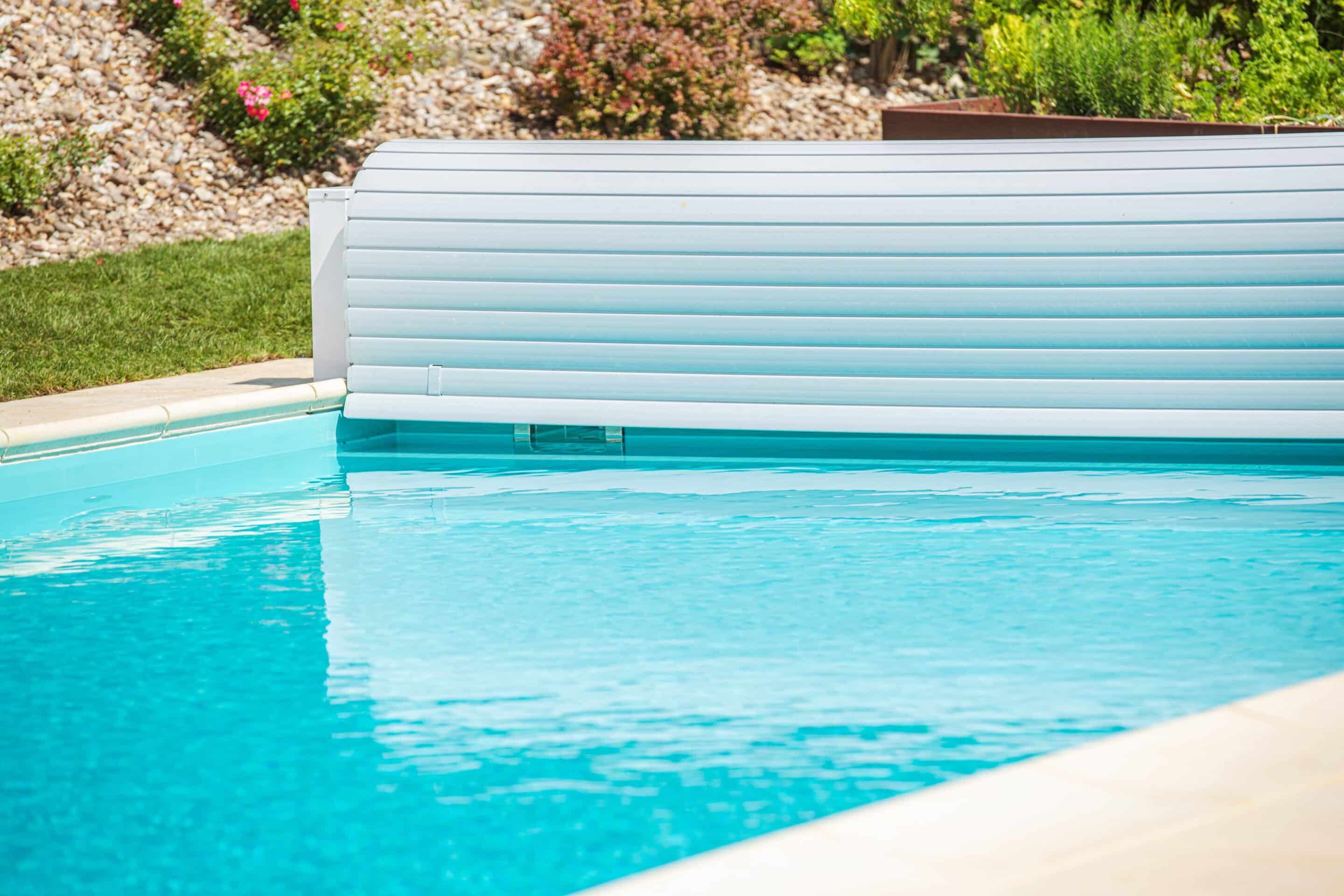
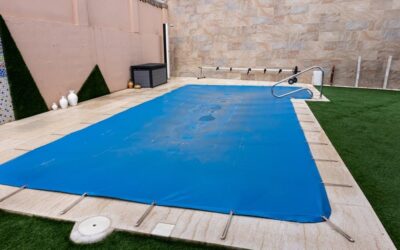
A durable pool cover is your best friend for keeping your pool warm. That’s because they trap in warmth while preventing wind from cooling the water. If that wasn’t enough of a win-win, you can also avoid cleaning your pool as frequently because it won’t get bogged down with debris as fast.
When shopping for a pool cover, there are a few options to choose from:
- Safety covers: These covers are anchored to the pool’s surface; they can protect people, children, or pets from falling in.
- Tarp covers: Easy-to-install tarp covers can protect your pool from debris and keep it warm for short periods.
- Automatic pool covers: Anchored to your pool deck, these covers can seamlessly open and close, meaning your pool can stay warmer for longer.
- Solar pool covers: This option uses a mesh cover, allowing sunlight to penetrate it, maximizing the efficiency of heating the water and reducing energy costs.
Note that a pool cover is a fantastic option for any pool, but on a sunny summer day, it never hurts to peel back the cover and allow sunlight to warm the water naturally, thus lowering energy costs.
Choose the Right Heating System for Ottawa’s Climate
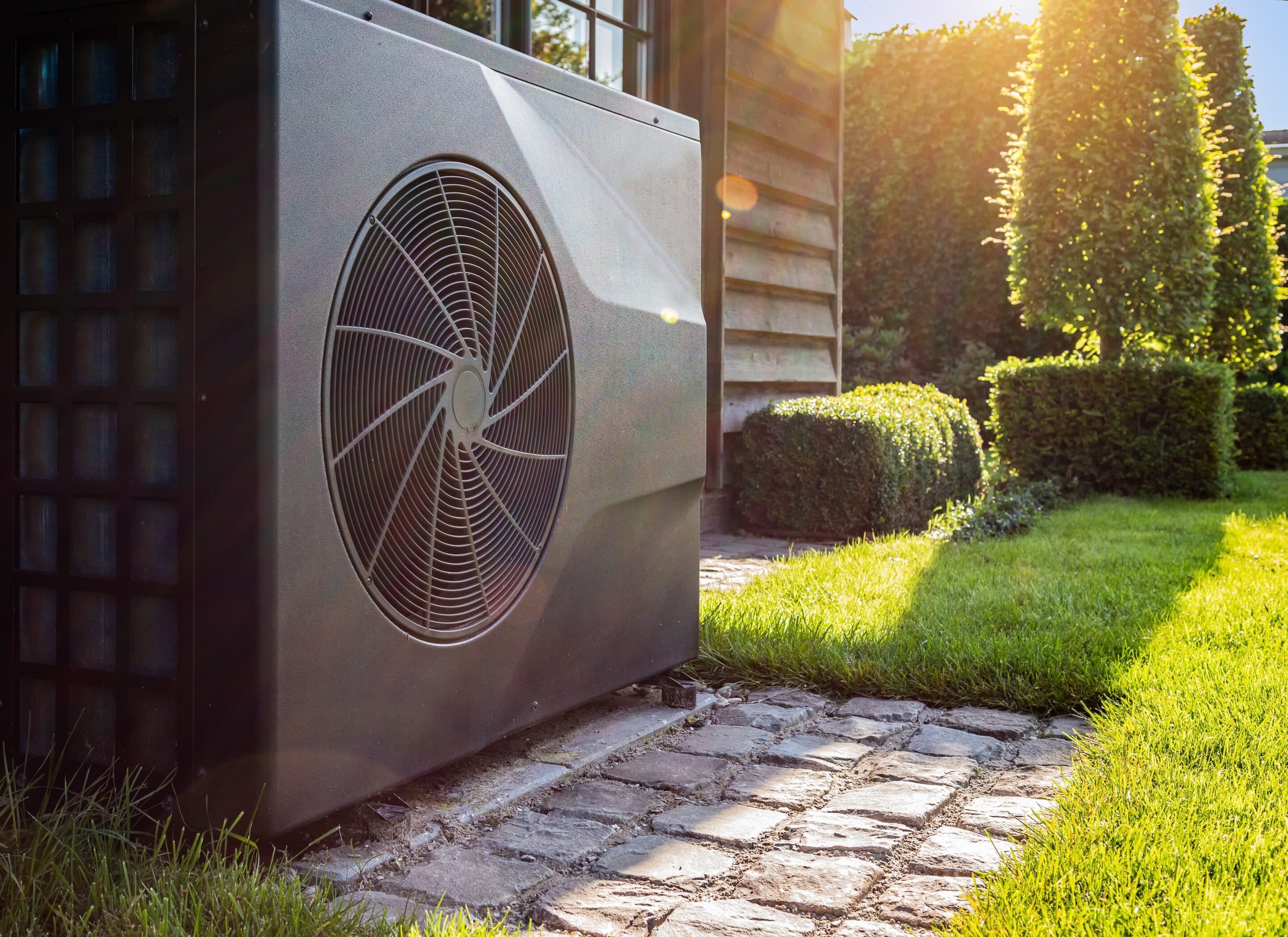
After installing or setting up your pool, you’ll want to look for a heat pump that can adequately heat the volume of water. In addition, you’ll want to consider how early and late you want to extend your swimming season. Some pumps work best to keep temperatures warm in the summer, while others work harder to ensure a warm pool throughout more of the year.
Gas or propane heaters warm water quickly, which is useful for occasional use, but they tend to be less energy efficient over time. Electric heat pumps are slower but more efficient at maintaining a steady temperature. Solar systems offer long-term savings but depend heavily on sun exposure.
Types of Heat Pump
There are three main types of heat pumps you can use for your pool. Keep in mind that each requires its own set of maintenance tasks and may vary in complexity depending on the brand. Here are the main heat pump options available on the market:
- Propane or Gas: Propane or gas heat pumps are ideal for swimmers who want to warm up their pool fast. They are a powerful option that helps keep your pool warm in the off-season.
- Solar: For a more eco-friendly option, a solar-powered heat pump uses energy from the sun to power the heater. While these tend to be on the pricey side, they don’t consume energy like propane or electric options.
- Electric: An electric heat pump is a good middle-of-the-road option. It’s not as powerful as gas or propane heaters, yet it’s less expensive than a solar heater. Electric is a great option for those who use their pool less frequently and aren’t looking for instantaneous warming.
Hybrid setups are becoming more and more common, using solar to offset day-to-day heating and electric systems for consistency.
Can a Heat Pump Cool Down My Pool?
Yes! The great thing about a heat pump is that it can keep your pool warm and more comfortable to swim in. But just as it can remove cool water for warm, it can do the inverse. That means a heat pump can also cool your pool.
ROI of a Heated Pool: What Ottawa Homeowners Can Expect
The return on a heated pool isn’t measured the same way as a kitchen renovation, but there are still practical benchmarks homeowners can use.
Installation and Operation Costs
Installation costs vary by system type. Electric heat pumps generally fall in the mid-range for upfront cost and are the most predictable in terms of operating expenses. Gas or propane heaters cost less to install but more to run, especially if used frequently. Solar systems require the highest upfront investment, though operating costs are minimal once installed.
Cost vs. Usage
In terms of usage, most Ottawa homeowners gain an extra four to eight weeks of swim time per year, depending on weather, insulation, and cover use. Some extend even further into spring and fall with consistent heating and good heat retention. That added time is often the difference between occasional use and a pool that becomes part of daily life.
Long-Term Value
Long-term value shows up in less tangible ways. Families use their pools more often, kids stay active at home, and warm-water swimming supports joint health and recovery. From a resale perspective, a properly installed heating system doesn’t guarantee a higher sale price, but it can make a property more appealing and usable for a wider range of buyers.
Local Incentives & Rebates for Energy-Efficient Pool Heating
While pool heating itself isn’t always directly subsidized, energy-efficient equipment may qualify under broader programs. In Ontario, some homeowners installing high-efficiency electric heat pumps may be eligible for incentives through Enbridge Gas, particularly when upgrades improve overall energy performance. Federal programs like the Canada Greener Homes Initiative may also apply in certain cases, especially when pool heating is part of a larger home efficiency upgrade.
Smart Heating Habits to Lower Energy Bills
- In addition to a pool cover, fences, gazebos, or sheds close to your pool can block wind, preventing the water from cooling too fast on blustery days.
- Solar rings, which are inflatable devices placed around the pool’s surface, can absorb 50% of the sunlight and transfer heat to the pool.
- A liquid solar blanket is a chemical that is safe to swim in, nearly invisible, and can heat your pool.
- Use timers or smart thermostats to run the pool heater during off-peak electricity hours.
- Maintain a consistent temperature instead of reheating cold water repeatedly.
- Keep the pool covered overnight and on cool or windy days, especially in spring and fall.
- Remove the cover during warm, sunny afternoons to allow natural solar heating.
- Keep your filter and heater serviced; regular pool maintenance helps keep heating costs down.
Is Heating Your Pool Worth It?
One reason people hesitate to purchase pools in Ottawa is the fear that they won’t be able to use them enough due to harsh winter weather. However, the ability to extend the swimming season alone can make a heated swimming pool worth it. A heated pool also provides convenience and health benefits. It is worth it if you’re concerned about stress or want to enjoy a more active lifestyle.
Benson Pools Tips: What We Recommend for Ottawa Backyards
Based on years of local installations, we typically recommend pairing electric heat pumps with high-quality covers for most residential pools. Shaded yards, windy lots, and high-use family pools all require slightly different setups, which is why site assessments matter.
If you are exploring pool heating or planning a new build, a custom approach will always outperform generic advice. Heating works best when the pool, cover, and heater are designed as a system, not as separate upgrades.
Explore Your Options with Benson Pools
Contact us today at Benson Pools to learn more about our heated pool options and how to get started. We can help you create the perfect oasis for your household’s needs and budget.