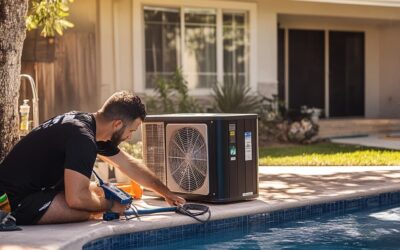
The energy needed to run a backyard oasis can cost up to $1,000 per year. This spending mainly comes from filter pumps, chlorinators, and heaters. Knowing these sources of consumption can help you save money on bills — and who doesn’t want that extra cash in their pocket? To help you out, we created a list of energy-efficient tips that make a difference for your pool.
1. Make Your Pool Pump Energy Efficient
Your pump pulls in water, pushes it through a filter, and returns it to your pool in a cleaner state. It’s safe to say that it’s the heart of your oasis’s circulation system and one of the primary sources of energy consumption. Here are some tips for your filter pump that can save energy:
Switch to a Multi-Speed Pump
Single-speed pumps only have one setting for circulating water: maximum. A variable pool pump has multiple operation speeds, so you can choose which is best for any situation. For example, when you need to shock the pool or add more chemicals, you can switch the pump to the highest setting and turn it down afterwards to save on costs. Or, if you run the system for most of the day, turning it to low is better than running a single-speed on its only setting for the same amount of time.
Run Your Pump Less Frequently and at Night
The standard recommendation is to run your pump for at least eight hours daily. So, consider reducing the amount of time it runs if you know you usually have it on for longer. Leaving it on at night is also an excellent way to save energy because it avoids peak energy consumption hours. If you switch to a variable-speed pool pump, as suggested above, you can also turn it to low overnight for more efficiency.
Use Automatic Timers
Try automating your pump to ensure it runs when necessary to keep the water clean. Sometimes our busy schedules mean we don’t have time to monitor circulation, which can lead to running the system more than needed to make up for the lost time. Timers can solve this problem by keeping to a schedule or activating when some PPM conditions reach a certain threshold.
2. Choose the Right Equipment from the Start
Many Ottawa homeowners inherit older pool systems that were designed long before energy efficiency mattered. Upgrading those parts, beyond just the pump, can lead to dramatic long-term savings. For new builds, choosing efficient equipment from day one is usually much cheaper than retrofitting later.
Opt for a Cartridge Filter
Older sand filters require frequent backwashing, which wastes water and increases pump workload. A modern cartridge filter uses less pressure to push water through, so the pump consumes less electricity. Cartridge filters also reduce water loss over time.
Choose Energy-Efficient Lights
Lighting is another overlooked upgrade. Incandescent bulbs give off heat and burn through energy quickly. LED pool lights use a fraction of that electricity, last much longer, and don’t strain transformers.
Install Smart Automaton Systems
Smart automation systems tie all equipment together. Instead of turning things on manually or guessing how long everything should run, you can monitor and control flow rates, heater output, and lights from an app. The upfront cost may be higher, but the ongoing savings and maintenance insights usually justify it.
3. Improve Your Heating Technology
The key to the perfect leisure experience is a pool that you want to jump into, not just dip your toes in. Heaters keep the water at an optimal temperature but also use up energy. Naturally, a smarter heating system is one of the best ways to make the pool more energy-efficient.
Heat pumps are the most energy-efficient option for most backyards. They draw heat from the air and transfer it to the water, making them much cheaper to operate than natural gas heaters. If you have good roof exposure, you could also install solar panels to help maintain optimal water temperature. In Ottawa, south-facing panels usually provide the most consistent heating.
4. Cover Your Pool
An uncovered pool loses water and heat energy. Even a basic solar blanket can reduce heat loss overnight and keep temperatures more stable throughout the day. In Ottawa’s climate, where cool evenings are common even in summer, this temperature stability makes a noticeable difference in your monthly energy use.
If you prefer convenience, an automatic cover is worth considering. It opens and closes in seconds, which encourages daily use. Leaving the pool uncovered “just for a night” is often when the most heat loss happens, and with an automatic system, protecting the water becomes part of your routine with almost no effort.
5. Understand Seasonal Energy Costs in Ottawa
Spring openings and fall closings are the most energy-heavy times of year. The water is cold, the equipment has been idle, and algae growth can spike. Using efficient methods for spring shock treatments and balancing chemicals early reduces extra pump and heater use later. Properly winterizing equipment ahead of the colder months is also important: it helps to prevent freeze damage, which could lead to expensive replacements and higher energy use next year.
If you aren’t sure how to get through these transitional seasons with the lowest energy bill, don’t fret! At Benson Pools, we offer pool opening and closing services tailored specifically to Ottawa’s climate, helping you manage these seasonal spikes with ease.
6. Keep Your Pool Clean
When you regularly maintain your pool, your pump won’t have to work as hard to circulate water: clean water moves through the circulation system with far less resistance. When debris collects in the skimmer, pump basket, or filter, the pump has to fight harder to maintain flow. That extra strain increases electricity consumption and, over time, wears down the motor. Staying ahead of debris isn’t only about appearance – it’s a direct energy-saving strategy.
But the water is not the only thing to keep an eye on — your cleaning system also needs this same attention. Remember to wash the filters and flush the pipes to ensure it continues to operate at peak performance.
7. Ask the Professionals
Scheduled professional maintenance is one of the simplest ways to cut energy costs. A technician can spot inefficient settings, clogged components, worn motors, or a heater that’s consuming far more electricity than it should. Older Ottawa pools often hide issues that homeowners don’t notice until their utility bill rises. An experienced professional can help to identify these issues early.
At Benson Pools, we understand the desire to reduce energy costs when it comes to your pool. With over 62 years of experience, we continue to understand the evolving methods to improve efficiency. As we discussed above, keeping your pool and circulation system clean is one key to saving money. Our maintenance and cleaning services in Ottawa can help you do this. Contact us today to learn more about how we can help you cut back on yearly energy costs.