Maintaining a pristine swimming pool is a point of pride for pool owners. However, the appearance of stains can be both an eyesore and a cause for concern. At Benson Pools, with decades of experience in pool installation and maintenance in Ottawa, we’ve seen it all. Understanding what each colour stain indicates can help you address the problem swiftly and effectively. In this blog post, we’ll guide you through identifying, diagnosing, removing, and preventing pool stains.
So why is your pool changing colour? More often than not, the shade of the stain points straight to the culprit.
Identification of Pool Stains by Colour
Green Stains
Green stains are most commonly caused by algae growth. If your pool water turns green and there are green spots on the pool surfaces, it’s likely an algae issue. Algae can flourish in pools that haven’t been properly chlorinated or have ineffective filtration systems.
Yellow or Mustard Stains
What does a yellow pool stain mean? Usually, mustard algae. It shows up as powdery, yellowish-brown patches on shady walls and steps, and plenty of pool owners mistake it for pollen or sand. The giveaway is that it wipes away easily and then often reappears in the same spot a few days later.
Mustard algae shrugs off normal chlorine levels, so a single shock rarely finishes the job. Brush every surface, shock to a high level, and add an algaecide made specifically for yellow algae. A flocculant then clumps the dead algae together so you can vacuum it to waste. Also wash pool toys, brushes, and swimsuits, since this algae will happily hitch a ride back into the water.
Brown Stains
Brown stains typically indicate the presence of iron or manganese in your pool water. These metals can enter your pool from the water source, especially if you use well water, or from corrosion of metal components in the pool.
Tea-Coloured Stains from Leaves (Tannins)
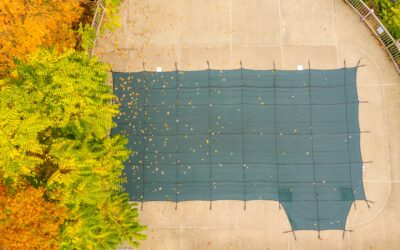
Leaves left in a skimmer basket or on the pool floor behave like a tea bag. The longer they steep, the more tannins leak out, tinting the water and printing brown leaf shapes onto the floor. In Ottawa, that usually lines up with October, when most people are getting ready to close their pools. As leaves drop, empty the skimmer baskets every few days and scoop leaves out before they sink. If a few marks remain, shock the pool and scrub them off.
Black Stains
Black stains often come from black algae, a stubborn variety that can be tough to remove. They appear as small, black spots on pool surfaces, particularly in porous materials like concrete or grout.
Blue or Blue-Green Stains
These stains are usually due to copper, which can enter your pool through certain algaecides, corroded copper pipes, or even from a heater that uses copper components.
Red or Rust-Coloured Stains
Red or rust-coloured stains are frequently the result of iron or sometimes bacteria. These can form from metal objects left in the pool, such as hairpins or toys, which rust over time.
Quick Reference: Stain Colour, Cause, and Fix
| Stain colour | Likely cause | How to fix it |
| Green | Green algae | Shock, brush, and run the filter continuously |
| Yellow or mustard | Mustard algae | Brush, heavy shock, yellow-algae algaecide, then floc and vacuum to waste |
| Brown, leaf-shaped | Tannins from leaves | Remove debris, shock, and brush |
| Brown or rust | Iron or manganese | Ascorbic acid treatment followed by a sequestrant |
| Black spots | Black algae | Stiff brushing, algaecide, and repeated shocks |
| Blue-green | Copper | Metal stain remover, then rebalance pH |
| Red or purple | Berries or flower petals | Shock and brush the spot |
Causes of Pool Stains
Understanding the causes of these stains can help in both treatment and prevention:
- Metals in Water: Iron, manganese, and copper can dissolve in water and then oxidize, leading to stains.
- Organic Matter: Leaves, algae, and other organic debris can cause stains, particularly if not removed promptly.
- Improper Chemical Balance: An imbalance in pH, alkalinity, or chlorine levels can encourage staining.
- Poor Maintenance: Lack of regular cleaning and inadequate filtration can lead to the build-up of debris and algae.
Organic or Metal? Try the Vitamin C Test
Before you buy any treatment, confirm which kind of stain you have. Shocking a metal stain can actually set it deeper, so a minute of testing can save you a lot of frustration.
Hold a vitamin C tablet firmly against the stain for 30 to 60 seconds. If the spot lightens, you’re dealing with metal, most likely iron. If nothing changes, repeat the test with a chlorine tablet. A stain that fades under chlorine is organic. On a vinyl liner, keep that chlorine contact brief, since concentrated chlorine can bleach the vinyl. For stains in the deep end, drop the tablet into an old sock and press it in place with your pool pole.
Removing Pool Stains
Removing pool stains involves different approaches depending on the stain’s origin:
For Metal Stains:
- Ascorbic Acid Treatment: Applying ascorbic acid (vitamin C) directly to the stain can help lift it. This works particularly well for iron stains.
- Sequestrants: Using a sequestrant, which is a chemical that binds to metal ions, can make them easier to filter out. Regular use can prevent metal stains from recurring.
For Organic Stains:
- Shock Treatment: Superchlorinating your pool can eliminate organic stains. This involves adding a high dose of chlorine to the pool.
- Scrubbing: Manual scrubbing with a pool brush can help remove surface stains, especially when combined with a shock treatment.
For Algae Stains:
- Algaecide: Applying an algaecide specifically designed to target black or green algae can help.
- Brushing and Vacuuming: Thoroughly brushing the affected areas and vacuuming the pool to remove the dead algae.
How Your Pool Surface Changes the Approach
Every pool surface can stain, but they don’t all clean up the same way.
Concrete and Plaster
Think of plaster like a sponge with very tiny holes. Stains work their way in, and black algae can actually put down roots. The upside is that plaster and concrete are tough. A stiff brush won’t hurt these materials, and you can sprinkle granular chlorine right on top of an organic stain and let it sit. If the whole pool is blotchy and nothing seems to work, that’s usually when we recommend an acid wash.
Vinyl Liners
Never pour granular chlorine or drop tablets straight onto a liner. Concentrated chlorine bleaches the pattern and weakens the vinyl over time. Mix it into a bucket of pool water before adding it, and trade the stiff brush for a soft one. When you shop for a stain remover, make sure that the label says it’s safe for vinyl.
Fibreglass
Fibreglass is the easiest of the three to clean. Its glossy gelcoat doesn’t let much soak in, so most stains just sit on top and come off without a fight. Go easy on it, though. A pumice stone or scouring pad will leave fine scratches, and the next stain will settle right into them.
Prevention Measures
Preventing pool stains is far easier and more cost-effective than removing them. Here are some expert tips from Benson Pools:
- Regular Maintenance: Regular cleaning and vacuuming prevent the build-up of debris and algae.
- Chemical Balance: Keep your pool’s pH, alkalinity, and chlorine levels balanced. Regular testing and adjustment are crucial.
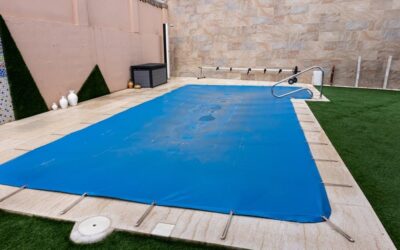
- Use a Pool Cover: A proper pool cover can prevent leaves, dirt, and other debris from entering the pool, especially during the off-season.
- Proper Filtration: Ensure your pool’s filtration system is running efficiently. Replace filters as needed and consider upgrading if your system is outdated.
- Sequestrants: Regularly use sequestrants if your water source is known to have high metal content. This can prevent metal stains from forming.
Need Assistance?
Stains can make a beautifully maintained pool look unappealing and neglected. By understanding what each colour indicates, you can quickly address the issue and restore your pool to its pristine condition. At Benson Pools, we’re committed to helping Ottawa pool owners enjoy their pools to the fullest. For professional assistance or more tips on pool maintenance, don’t hesitate to contact us. Happy swimming!